



What Actually Happens to Your Body During Contrast Therapy


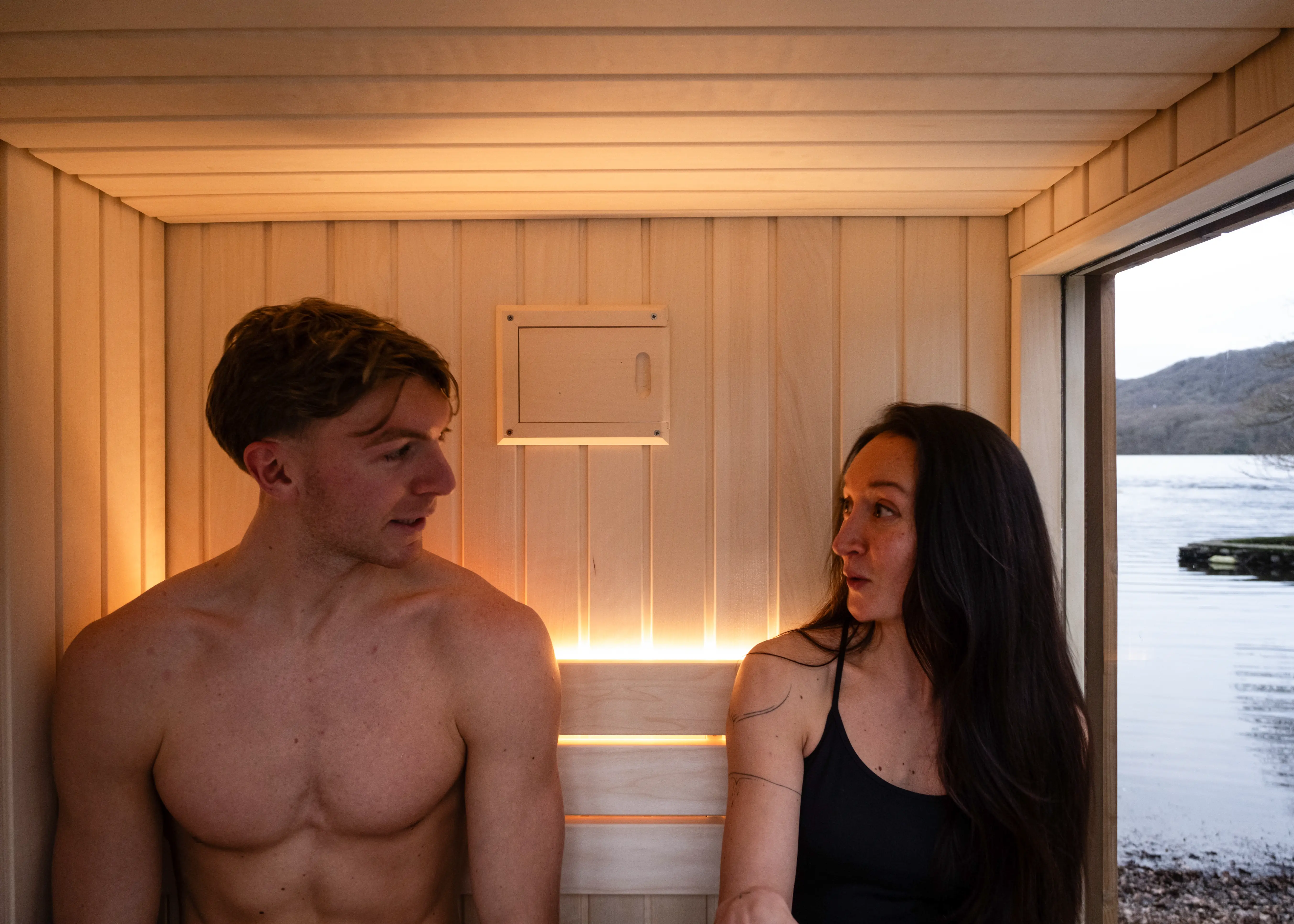
There's something quietly powerful about contrast therapy. Two conditions applied in sequence, no complicated protocol. Yet the physiological response is remarkably deep, affecting circulation, nervous system, inflammation, and recovery in ways that compound over time.
Understanding what's happening beneath the surface makes the practice feel less like a wellness trend and more like what it is: a deliberate, repeatable stimulus the body is designed to respond to.
What Heat Does to Your Body
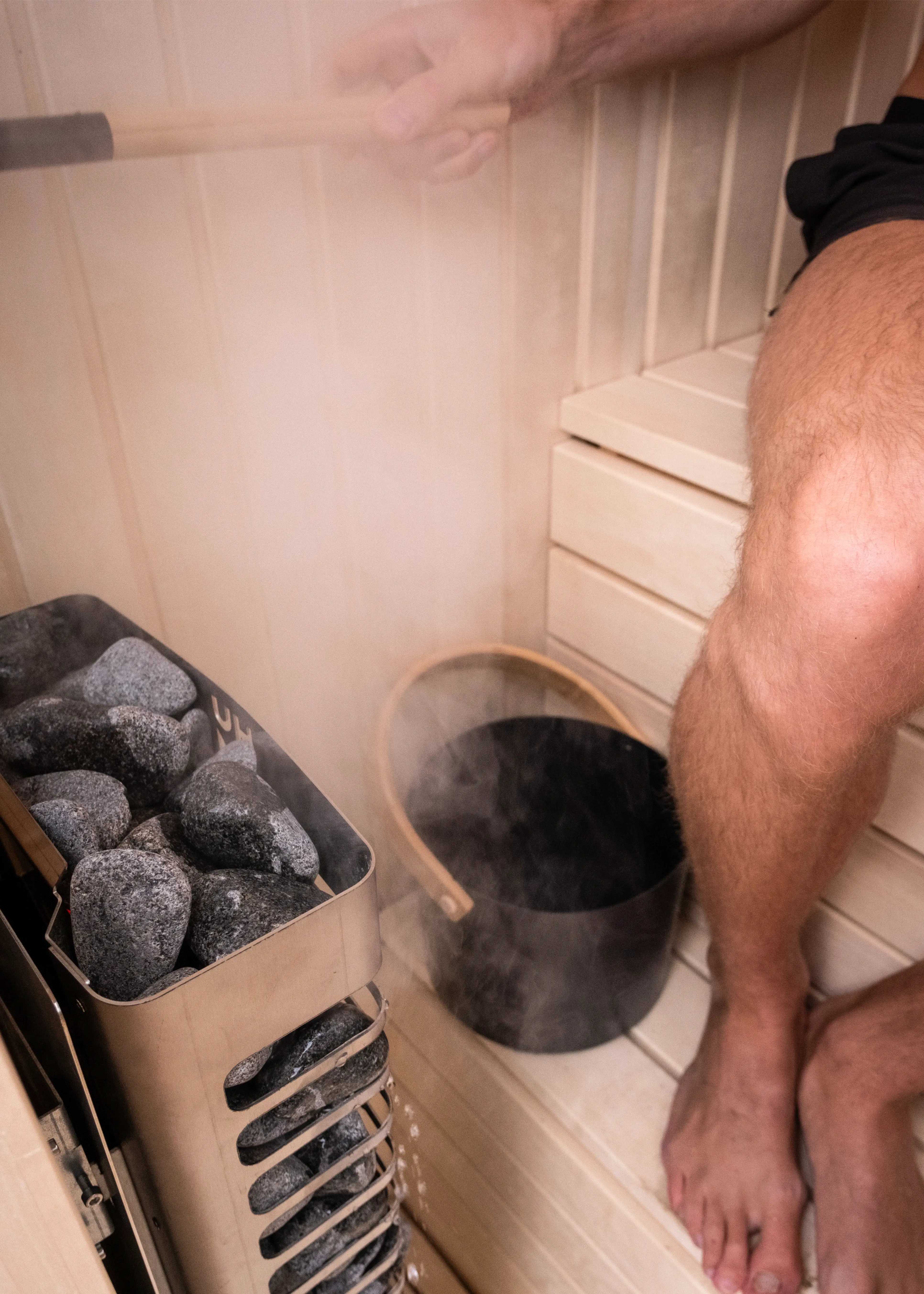
When you enter a sauna, your core temperature begins to rise. Blood vessels dilate, a process called vasodilation. Circulation increases substantially, your heart rate rises, and blood flow to muscles, skin, and connective tissue increases, bringing oxygen and nutrients while carrying away metabolic waste.
Regular sauna use, particularly the kind studied in Finnish populations, has been associated with improved cardiovascular health and reduced all-cause mortality partly because of this repeated cardiovascular stimulus.
Your nervous system also shifts. The sympathetic state activates initially, but prolonged heat tends to move things toward parasympathetic activity: breathing slows, muscles relax, heart rate finds a steady rhythm. The heat is a stressor, but a manageable one. Your body's response to it is the point.
What Cold Does to Your Body
The cold is a different kind of shock, faster and more immediate. Blood vessels contract rapidly. This is vasoconstriction: the body pulling blood toward the core to protect vital organs and maintain core temperature.
Adrenaline releases, heart rate spikes, breathing shortens. The whole system snaps to attention. Cold exposure also triggers anti-inflammatory effects. Immersion reduces exercise-induced swelling and helps clear metabolic waste from tissue.
Cold triggers a sustained dopamine elevation that can last for hours, which partly explains the clarity that follows. There's an element of hormetic stress at work too: a small, controlled dose of a stressor produces an adaptive response. The discomfort is real, but the body's response is broadly positive when exposure is consistent.
The Transition
Moving between heat and cold is where contrast therapy distinguishes itself from either practice alone. The shift from vasodilation to vasoconstriction creates a powerful pumping effect through the circulatory system. Fluid that had pooled in soft tissue is driven back into circulation.
Metabolic waste products are cleared more effectively than passive rest achieves. For those recovering from physical exertion, this is part of why contrast therapy consistently outperforms cold alone as a recovery tool.
Neurologically, the contrast itself is a training stimulus. Repeatedly moving your nervous system between states of activation and calm builds your capacity to regulate that transition and recover more quickly from stress.
Why It Matters
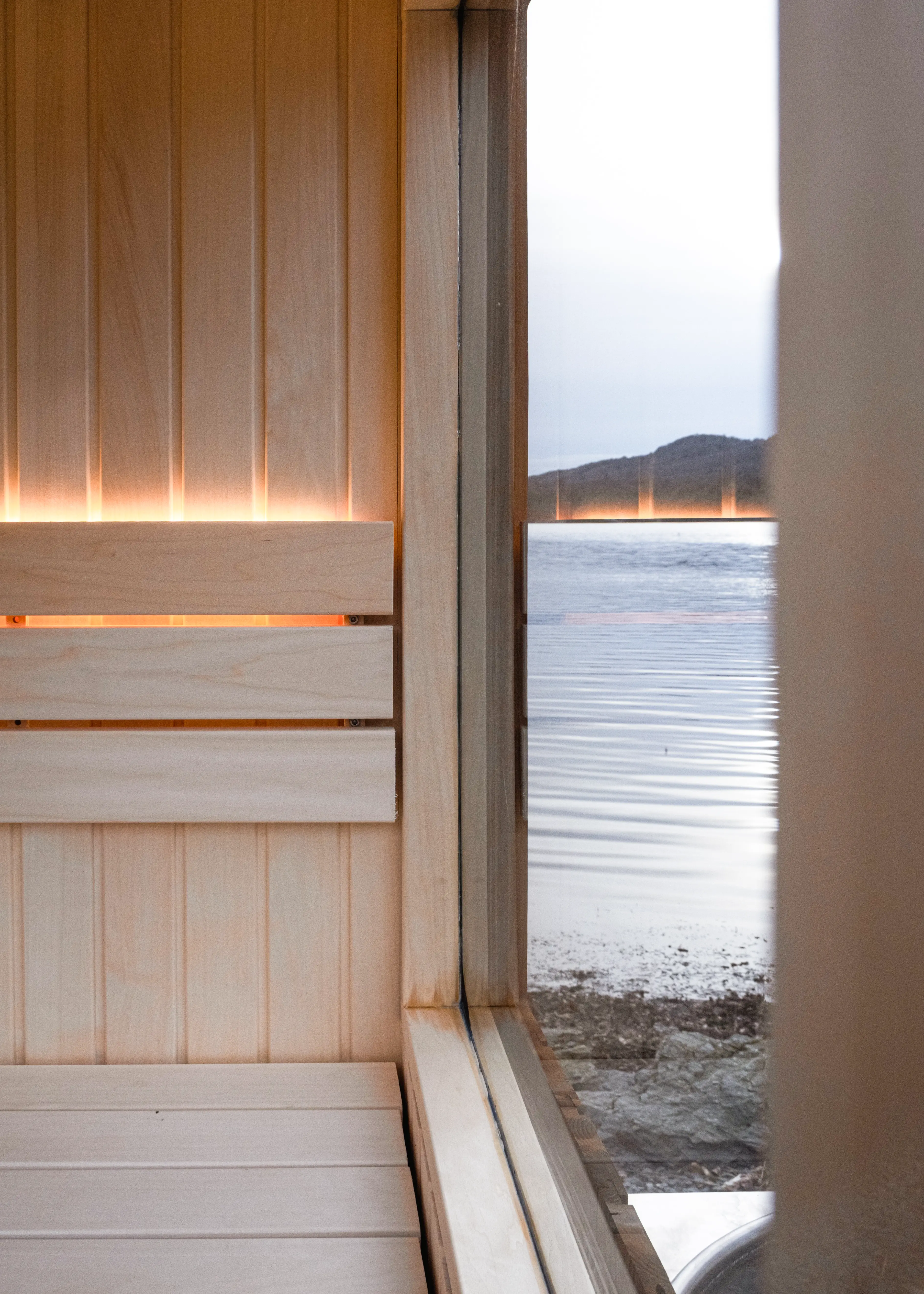
Regular practice produces cumulative, systemic changes. Heat and cold exposure together improve cardiovascular efficiency, reduce baseline inflammation, and support the nervous system's ability to move cleanly between rest and activation.
Recovery improves not just physically but mentally. The ritual of deliberate discomfort followed by deliberate rest trains something genuinely useful: the ability to engage with challenge without being overwhelmed by it.
There's a reason contrast therapy has been practised across Scandinavian, Japanese, and Eastern European cultures for centuries. It predates modern wellness by generations and turns out to be well-suited to the demands of contemporary life.
Consistency Over Intensity
You heat your body. You cool it. You repeat. Each time, your circulation responds, your nervous system adapts, and your tissues recover more effectively than they would at rest. No shortcuts, no protocol to optimise. Just heat, cold, and consistency, applied regularly enough that the body begins to expect it, respond to it, and benefit from it.

Lets talk!