


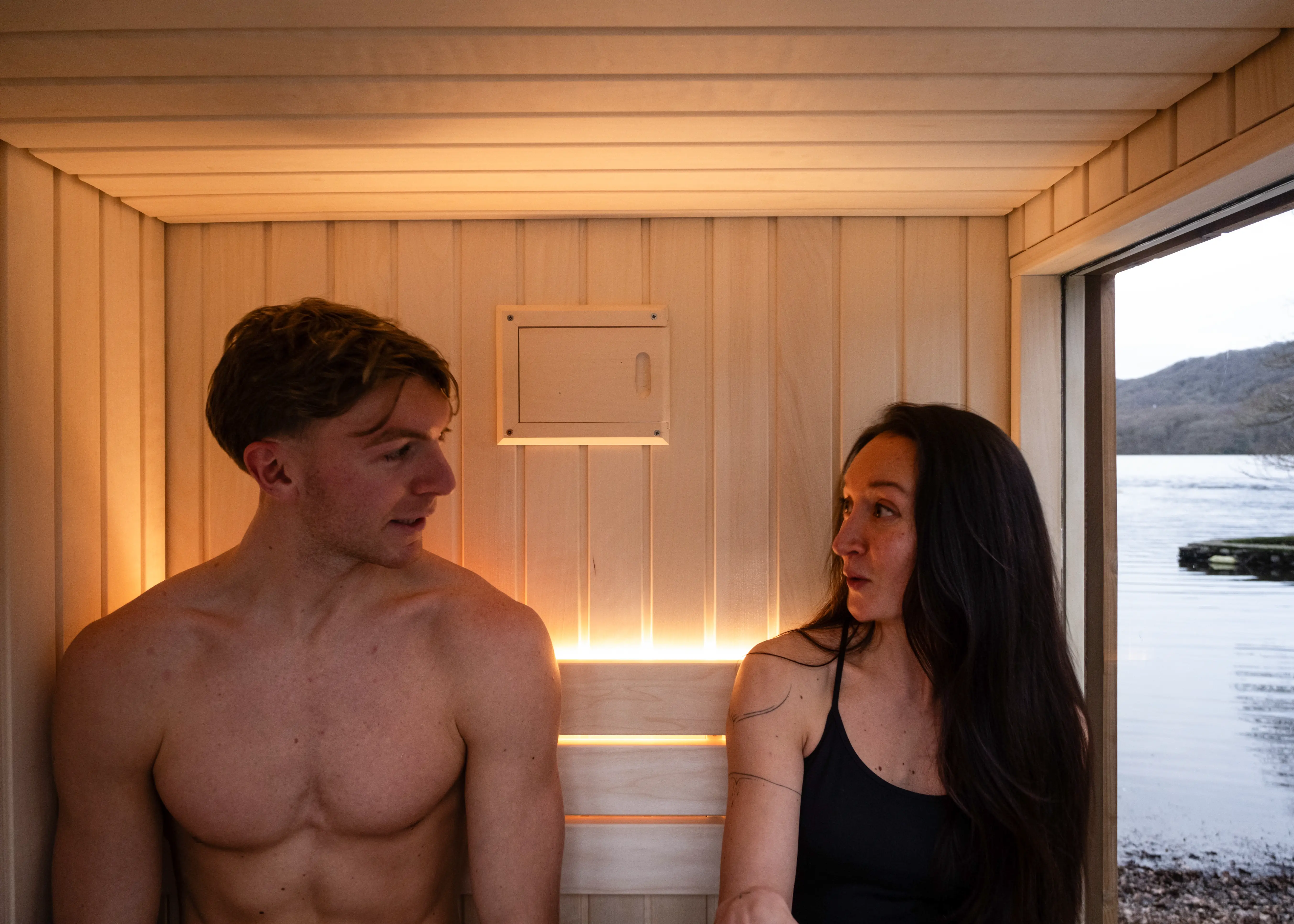

From Injury to Obsession: Why I Started hoc


In 2023, I had spinal surgery. A disc injury that had been managed, worked around, and eventually ignored for longer than it should have been. The surgery went well. Recovery was another matter.
The months that followed were methodical and slow. I tried most things: physiotherapy, massage, prescribed rest, anti-inflammatory medication. Some helped. None of it quite got there.
Finding Contrast Therapy
A physio I trusted mentioned hot-cold contrast as something worth trying. I found a facility nearby with a sauna and cold pool. I started going once a week. Then twice.
Within a few weeks, the difference was undeniable. Not miraculous, just notably, measurably better. Inflammation settled faster. Sleep improved. The tension in my back and hips started to release more reliably after contrast than after anything else I was doing.
The physiology made sense: alternating vasodilation and vasoconstriction, the nervous system reset, the way the body responds to thermal stress by adapting and rebuilding. It wasn't alternative medicine. It was a straightforward biological response to a well-understood stimulus.
A Shift in Perspective
What started as a recovery tool gradually became something I looked forward to. The injury had made me more attentive to my body in a practical way. I started paying closer attention to recovery, to sleep, to what made me feel functional. Contrast therapy kept rising to the top of that list.
Daily Practice
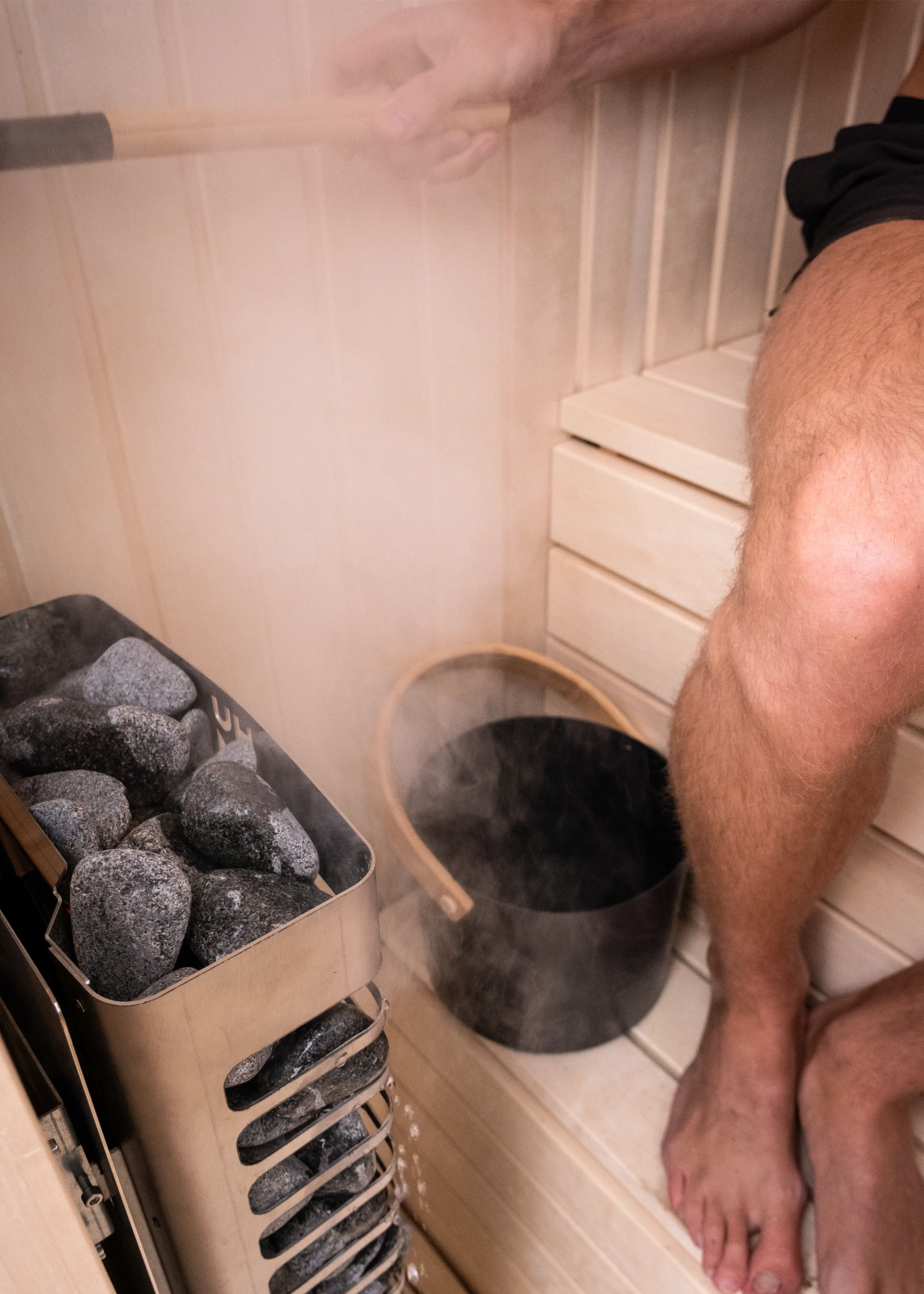
My practice became daily. Sauna first, cold second, repeat. The structure appealed to me. No ambiguity, no decision to make. You either got in or you didn't. The outcome was reliable in a way that felt rare.
The more consistent the practice became, the more I noticed what it was building: not just physically, but in how I handled difficulty more generally. The baseline shifted. I recovered faster and felt steadier.
The Problem with What Existed
The challenge was access. The facility was twenty minutes away and wasn't always available. I started thinking about a home setup. The options were limited in ways that surprised me. Saunas were sold as saunas. Cold plunges were sold as cold plunges. Finding both designed to work together as a considered system was essentially impossible.
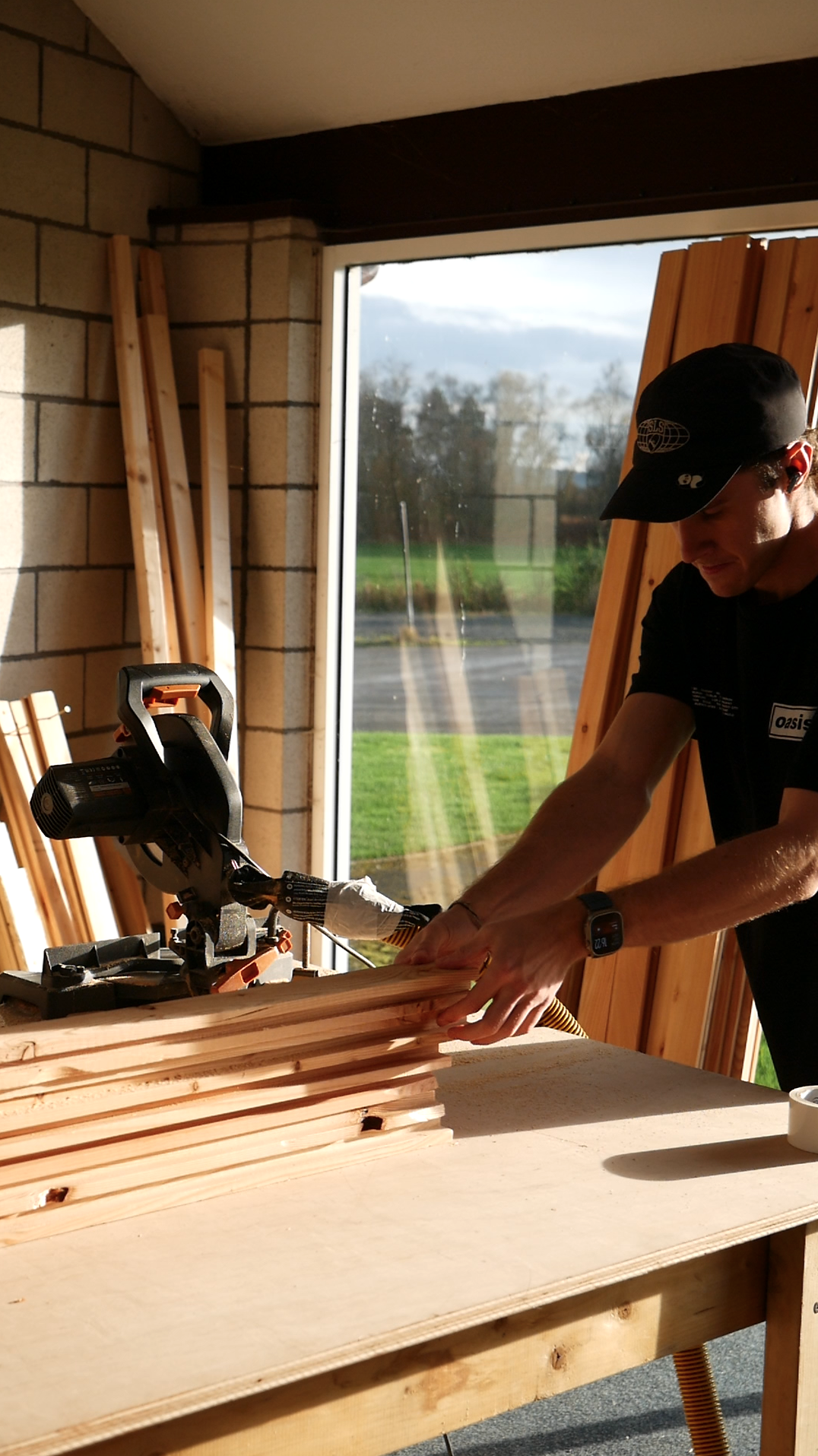
I built my own setup. Functional, not refined. But it worked, and the difference that daily access made was immediate.
The Background That Made It Possible
Before all of this, I'd spent years working across engineering, industrial design, and product strategy, thinking about how products are made and what it would take to approach a category from first principles. Building my own contrast setup brought those instincts back. I found myself thinking not just about the practice but about the object: the materials, the proportions, the experience of transitioning between two products designed to coexist.
The Decision to Build
The decision wasn't a single moment. It was a gradual accumulation of the same observation: that contrast therapy was genuinely effective, that demand was growing, and that nobody was designing for it properly. Not as a wellness trend. As a considered system, built for daily use, for real spaces, for people who wanted the practice without compromise.
That's what hoc is. A company built from lived experience, informed by design and engineering, focused on one thing: making contrast therapy something you can practise properly, at home, every day.

Lets talk!