



Modular by Design: Rethinking How Wellness Spaces Are Built


The typical approach to building a wellness space has changed little in decades. Commission a design, engage a contractor, procure elements with long lead times, install them permanently. The result is often impressive. It's also expensive, slow, and difficult to change.
For a spa within a large hotel, that permanence makes sense. But this model has become the default for wellness spaces of all sizes, including ones where it doesn't fit nearly as well. A boutique property adding a contrast suite. A private villa differentiating for guests. A short-stay rental testing whether wellness is worth the investment. For these use cases, the traditional bespoke model creates problems it doesn't have to.
The Problem with Traditional Bespoke Builds
Bespoke wellness installations are built around permanence. Materials, plumbing, and finishes are integrated into the structure. The result, at its best, is seamless. But the process works against many operators.
Lead times are frequently six months to over a year. The cost of change is high. Once installed, the space is fixed. If the operator wants to expand, relocate, or convert the space, the investment is largely written off. There's also the question of risk. An operator entering a new market is making a significant capital commitment before knowing whether the product works for their context.
The Benefits of Modular Design
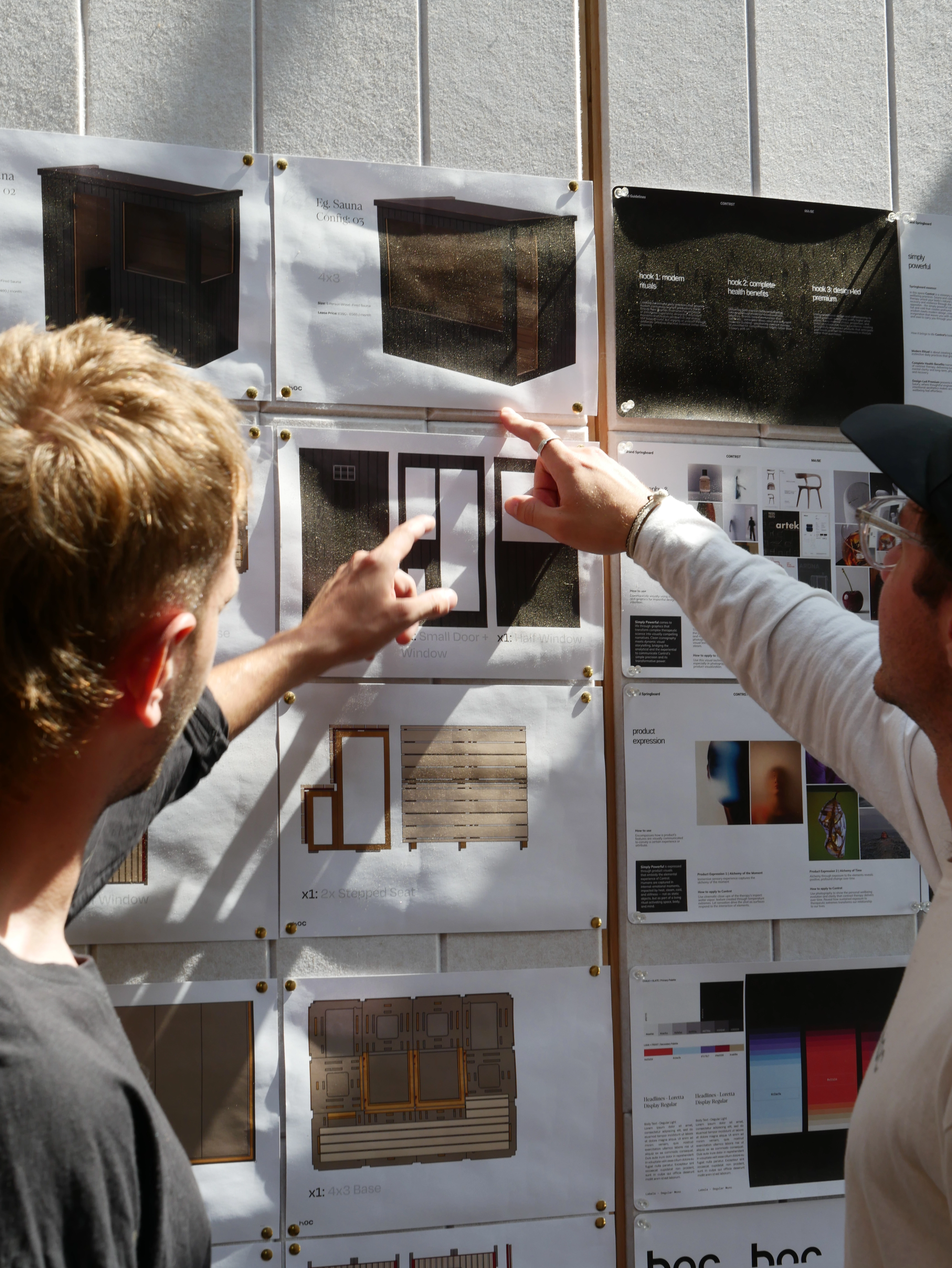
Modular design approaches the same problem from a different direction. Rather than designing a space from scratch for a specific site, modular systems are engineered to meet performance standards and then configured for a particular context.
This doesn't mean compromise. A well-designed modular system achieves the same thermal performance, material quality, and spatial experience as a bespoke installation. The difference is in the design logic: where bespoke starts with the space and works outward, modular starts with the product and works to fit the space.
What this enables is speed. A modular contrast suite can be installed in days rather than months. It also enables reversal. A modular system can be de-installed with comparable ease, removing a significant barrier for operators testing a market.

Flexibility and Speed in Practice
A short-stay property can add a contrast suite in weeks and begin generating revenue before a bespoke build would have completed its design phase. If the suite underperforms, it can be removed without material loss. If it performs well, a more permanent solution can be considered with genuine data behind the decision.
For operators with multiple sites, modular systems offer consistency without requiring each location to run its own design process. They're also more amenable to leasing, which changes the capital conversation for smaller operators who want to deliver a premium experience without the full upfront commitment.
Implications for the Short-Stay Market
Properties offering contrast therapy consistently command meaningful premiums on both nightly rate and occupancy. The demand is demonstrable and growing. But the barrier has been the bespoke model. A private villa or rental property typically lacks the budget, contractor relationships, or lead time tolerance for a custom wellness build. Modular changes that equation.
Most properties offering wellness amenities are still at the hot tub level. The move to serious contrast therapy infrastructure, sauna and cold plunge designed as a system and installed properly, represents a step change in what's available in the short-stay market. Modular design is what makes that step accessible.
The Broader Future
Modular approaches to wellness infrastructure will become more common for the same reason they've taken hold in other industries: the pace of change is too fast for bespoke to keep up with. Operators who have built flexibility into their infrastructure will be better positioned to respond to what the market wants next.
The more considered view of modular design isn't that it's a cost-saving shortcut. It's a more honest response to a world where the right answer today may not be the right answer in three years. Wellness infrastructure built to perform, configured to context, and capable of evolving alongside the businesses it serves. That's where the category is heading.

Lets talk!